

If there’s one deduction that self-employed individuals and small business owners consistently skip, it’s the home office deduction. The excuses are familiar: it’s too complicated, it triggers audits, or the space is too small to matter.
None of those things are generally true — and skipping this deduction could mean leaving real money on the table every single year.
Here’s what you actually need to know.
The IRS requires you to meet two conditions before claiming the home office deduction.
Check both boxes? You’re ready to calculate your deduction.
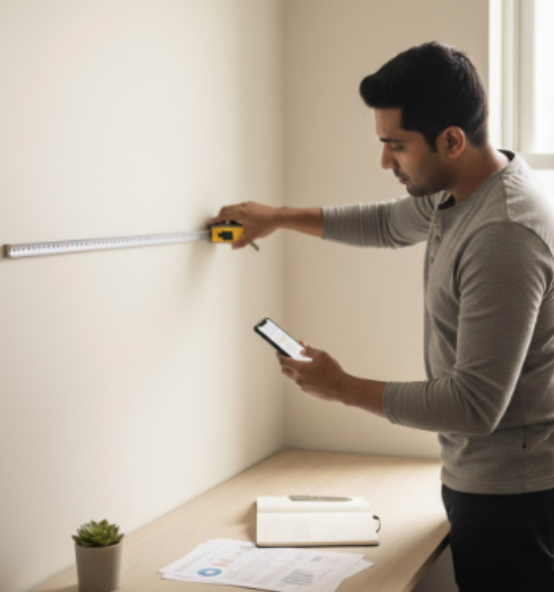
This is the fastest, lowest-effort way to claim the deduction — and it’s a good starting point for most people.
The formula: $5 per square foot of your home office, up to 300 square feet. Maximum deduction: $1,500 per year.
How to document it in about 15 minutes:
That’s your documentation. Simple, defensible, done.
This method takes more work, but it can produce a significantly larger deduction — especially if you have a larger office, high rent or mortgage interest, or live in a high-cost area.
Step 1: Calculate your business-use percentage. Divide your office square footage by your home’s total square footage. Example: 200 sq. ft. office ÷ 2,000 sq. ft. home = 10% business use. Always take pictures of the space used to help document your dedicated space.
Step 2: Apply that percentage to your home expenses. You can deduct 10% (in this example) of costs like rent or mortgage interest, property taxes, homeowners insurance, utilities, and general home repairs.
Step 3: Factor in depreciation. You can also deduct the “wear and tear” on the business portion of your home. This is a meaningful write-off — but there’s a catch. When you sell your home, you may have to pay taxes on previously deducted depreciation. This is worth discussing with a CPA before you claim it.

Simplified | Actual Expense | |
Best for | Ease, simplicity | Larger deductions |
Max deduction | $1,500 | No cap |
Record-keeping | Minimal | Detailed receipts required |
Depreciation | Not included | Included (with recapture risk) |
When in doubt, run the numbers both ways. A small business accountant or personal accountant can do this quickly and tell you which method saves you more.
Moving or starting mid-year? You can only claim the deduction for the months the office was actively in use. Just note the start and end dates.
Track your mileage. When your home office is your principal place of business, trips from home to client sites or business meetings become deductible mileage. Apps like Stride make this easy to track automatically.
Don’t fear the audit. The IRS knows this is a legitimate deduction. With your square footage documented and your photos saved, you’re in good shape. Good records are your best protection — and small business bookkeeping services can help you stay organized year-round.

The home office deduction is a legitimate, often overlooked write-off that’s available to most self-employed individuals and small business owners. The simplified method makes it accessible even without a dedicated accounting background. The actual expense method can significantly increase the deduction for those willing to track the details.
Either way, the first step is simply understanding that you likely qualify for and that claiming it is a right, not a risk.
If you’re unsure which method fits your situation, or you want a CPA or small business tax services provider to review your full deduction picture, that conversation is usually worth having